
Role of Technology Integration in Classroom Teaching
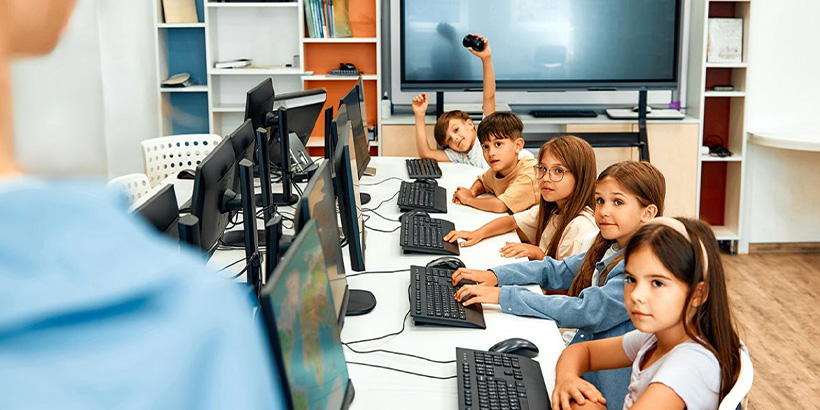
Technology integration has transformed classroom teaching in meaningful ways. Modern classrooms are no longer limited to textbooks and lectures alone. Digital tools now support interactive instruction, personalized learning experiences, and improved communication between teachers and students. As education systems continue to adapt to changing learning needs, technology plays an increasingly important role in shaping effective teaching practices.
Integrating technology into classroom teaching helps educators present information more clearly, engage students more actively, and monitor learning progress more efficiently. When used thoughtfully, digital resources strengthen instruction while preparing students for future academic and professional environments that rely heavily on technological literacy.
Understanding how technology supports teaching helps educators create structured and engaging learning experiences that improve student participation and long term academic success.
Understanding Technology Integration in Classroom Teaching
Technology integration refers to the effective use of digital tools and resources to support teaching and learning activities. Instead of replacing teachers, technology enhances instructional methods and expands learning opportunities.
Examples of classroom technology integration include:
- Interactive whiteboards
- Educational software programs
- Online research platforms
- Digital presentations
- Virtual collaboration tools
These tools help teachers deliver lessons more effectively and support diverse learning styles.
Importance of Technology in Modern Education Environments
Technology plays an essential role in preparing students for modern academic and workplace expectations. Digital literacy has become a necessary skill across many fields.
Technology supports education by:
- Improving access to information
- Supporting flexible learning methods
- Encouraging student engagement
- Enhancing communication between teachers and learners
- Providing opportunities for independent research
These benefits strengthen classroom learning experiences.
Enhancing Student Engagement Through Digital Tools
Student engagement improves when lessons include interactive content. Technology helps teachers create dynamic learning environments that capture student attention.
Digital engagement strategies include:
- Interactive presentations
- Multimedia lesson content
- Educational videos
- Real time classroom quizzes
- Online discussion platforms
Engaged students are more likely to participate actively and retain information effectively.
Supporting Different Learning Styles With Technology
Students learn in different ways. Technology allows teachers to provide varied instructional approaches that match individual learning preferences.
Technology supports learning styles through:
- Visual content such as charts and diagrams
- Audio explanations and recorded lectures
- Interactive simulations
- Digital reading materials
Flexible teaching methods improve understanding across diverse classrooms.
Role of Interactive Whiteboards in Classroom Teaching
Interactive whiteboards have become common in modern classrooms. They allow teachers to present lessons visually and involve students directly in activities.
Benefits of interactive whiteboards include:
- Improved lesson clarity
- Increased student participation
- Easy integration of multimedia resources
- Efficient demonstration of complex concepts
Interactive teaching tools strengthen lesson delivery.
Using Educational Software to Improve Learning Outcomes
Educational software programs help teachers organize lessons and track student progress. These programs provide structured learning support.
Common software uses include:
- Practice exercises for skill improvement
- Interactive quizzes for assessment
- Visual demonstrations for concept understanding
- Personalized learning pathways
Software tools improve teaching efficiency.
Supporting Collaboration Through Technology Integration
Technology encourages collaboration among students by creating opportunities for shared learning activities.
Collaborative technology tools support:
- Group research projects
- Shared digital presentations
- Online classroom discussions
- Team problem solving tasks
Collaboration strengthens communication and teamwork skills.
Role of Online Resources in Expanding Learning Opportunities
Online resources provide access to updated information beyond traditional textbooks. Teachers can introduce current examples and global perspectives through digital content.
Online learning resources include:
- Educational videos
- Academic articles
- Virtual experiments
- Digital libraries
Access to diverse resources improves knowledge depth.
Improving Classroom Communication With Technology
Technology supports communication between teachers and students inside and outside classroom environments.
Communication improvements include:
- Sharing lesson materials electronically
- Providing assignment reminders
- Offering feedback through digital platforms
- Supporting parent teacher communication
Better communication strengthens learning support systems.
Supporting Personalized Learning Through Digital Platforms
Technology allows teachers to adjust instruction based on student progress and ability levels. Personalized learning improves academic confidence.
Digital platforms support personalization through:
- Adaptive learning programs
- Individual progress tracking
- Customized assignments
- Flexible lesson pacing
Personalized instruction supports stronger outcomes.
Encouraging Independent Learning Skills Among Students
Technology helps students develop independent learning habits by providing access to self directed educational resources.
Independent learning activities include:
- Online research projects
- Self paced learning modules
- Digital practice exercises
- Interactive learning applications
Independent learning strengthens responsibility and confidence.
Role of Assessment Technology in Monitoring Progress
Digital assessment tools help teachers evaluate student understanding quickly and accurately.
Assessment technologies include:
- Online quizzes
- Automated grading tools
- Digital assignment submissions
- Interactive feedback systems
Efficient assessment supports timely instructional adjustments.
Supporting Teachers Through Professional Technology Tools
Technology integration benefits teachers as well as students. Digital tools help educators organize lessons and manage classroom responsibilities efficiently.
Teacher support tools include:
- Lesson planning applications
- Classroom management software
- Digital attendance systems
- Resource sharing platforms
These tools improve instructional organization.
Importance of Digital Literacy in Classroom Learning
Digital literacy helps students navigate modern information environments responsibly and effectively. Teachers support this skill through guided technology use.
Digital literacy development includes:
- Evaluating online information accuracy
- Using educational platforms responsibly
- Communicating through digital tools appropriately
- Protecting personal information online
These skills prepare students for future learning environments.
Addressing Challenges in Technology Integration
Although technology offers many benefits, successful integration requires careful planning and support.
Common challenges include:
- Limited access to devices
- Need for teacher training
- Managing classroom distractions
- Ensuring equal learning opportunities
Addressing these challenges improves implementation effectiveness.
Creating Balanced Technology Supported Classrooms
Technology works best when combined with traditional teaching methods. Balanced instruction ensures that digital tools enhance rather than replace meaningful interaction.
Balanced classrooms include:
- Teacher guided explanations
- Collaborative activities
- Technology supported demonstrations
- Independent learning opportunities
Balanced instruction supports comprehensive learning experiences.
Long Term Benefits of Technology Integration in Classroom Teaching
Technology integration strengthens teaching effectiveness and prepares students for modern academic environments. It supports both engagement and skill development across subjects.
Long term benefits include:
- Improved access to learning resources
- Stronger collaboration opportunities
- Increased student motivation
- Enhanced communication systems
- Better preparation for digital workplaces
Technology continues to play an important role in shaping future education systems.
FAQ Section
How does technology integration improve classroom participation
Interactive tools encourage students to engage actively with lesson content and participate in discussions more confidently.
Can technology replace traditional teaching methods completely
Technology supports instruction but does not replace the guidance and experience provided by teachers.
What skills do teachers need for effective technology integration
Teachers benefit from training in digital tools, lesson planning strategies, and classroom management techniques related to technology use.
How does technology support students with different learning speeds
Digital platforms allow teachers to adjust lesson pacing and provide additional practice materials when needed.
Why is digital literacy important for students today
Digital literacy helps students evaluate information responsibly and participate effectively in modern learning environments.
How can schools ensure equal access to classroom technology
Schools can provide shared devices, structured scheduling systems, and resource support programs to improve accessibility.
What role does technology play in future classroom teaching
Technology will continue expanding access to resources, supporting collaboration, and improving personalized learning opportunities