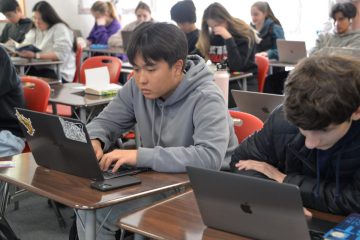
Student Centered Learning Approaches in Modern Education
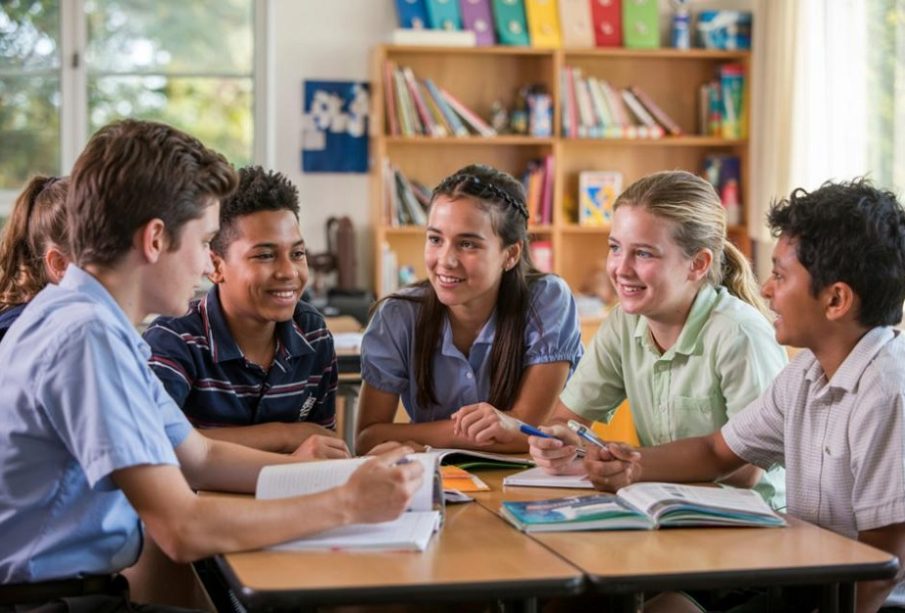
Student centered learning has become one of the most influential developments in modern education. Instead of focusing primarily on teacher led instruction, this approach places learners at the center of the educational experience. Students actively participate in discussions, collaborate with peers, explore ideas independently, and take responsibility for their learning progress.
Modern classrooms increasingly emphasize engagement, flexibility, creativity, and critical thinking. Student centered learning supports these goals by encouraging learners to ask questions, explore solutions, and develop skills that prepare them for academic success and professional responsibilities. As education continues to evolve, this approach plays an important role in shaping confident and capable learners.
Understanding Student Centered Learning
Student centered learning is an instructional approach that prioritizes student participation, interests, and learning styles. Teachers guide the learning process rather than delivering information as the sole source of knowledge.
Key characteristics of student centered learning include:
- Active student participation
- Flexible learning pathways
- Collaborative classroom environments
- Independent thinking opportunities
- Personalized instruction methods
These features help students become more engaged and motivated during learning activities.
Differences Between Teacher Centered and Student Centered Learning
Traditional classrooms often relied on teacher centered instruction, where teachers presented information while students listened and recorded notes. Student centered learning shifts this structure toward interaction and exploration.
Major differences include:
- Students participate more actively in discussions
- Teachers act as facilitators rather than lecturers
- Learning activities involve collaboration
- Instruction adapts to student needs
- Assessment methods include project based evaluation
This shift supports deeper understanding and long term knowledge retention.
Importance of Active Participation in Learning
Active participation helps students connect with learning material more effectively. When learners interact with content, they develop stronger understanding and memory retention.
Participation encourages students to:
- Ask meaningful questions
- Share ideas confidently
- Engage in group discussions
- Practice problem solving
- Reflect on their learning progress
These activities strengthen both academic and communication skills.
Role of Teachers in Student Centered Classrooms
Teachers continue to play an essential role in guiding learning experiences. Their responsibilities shift from direct instruction toward support and facilitation.
Teachers support student centered learning by:
- Designing interactive activities
- Encouraging student curiosity
- Providing constructive feedback
- Monitoring progress regularly
- Supporting diverse learning needs
Guidance ensures that learning remains structured and effective.
Personalized Learning as a Core Element
Personalized learning allows students to progress according to their strengths, interests, and learning pace. This flexibility improves confidence and motivation.
Personalized learning strategies include:
- Individual learning goals
- Flexible assignment options
- Differentiated instruction techniques
- Self paced learning activities
- Choice based project topics
Personalization supports stronger engagement and understanding.
Collaborative Learning and Peer Interaction
Collaboration encourages students to work together to solve problems and share perspectives. Group activities strengthen communication skills and teamwork abilities.
Collaborative learning benefits include:
- Improved idea exchange
- Stronger social interaction
- Enhanced critical thinking
- Exposure to diverse viewpoints
- Increased classroom participation
Team based learning supports both academic and interpersonal development.
Project Based Learning in Student Centered Education
Project based learning allows students to explore topics through real world applications. This approach helps learners connect theoretical knowledge with practical experience.
Project based learning activities often include:
- Research assignments
- Group presentations
- Creative design tasks
- Problem solving challenges
- Community related projects
These experiences strengthen both understanding and creativity.
Role of Technology in Student Centered Learning
Technology supports interactive learning environments by providing access to digital resources and flexible instruction methods.
Technology enhances learning through:
- Online research tools
- Digital collaboration platforms
- Interactive educational applications
- Multimedia presentations
- Virtual classroom participation
Digital tools expand opportunities for personalized learning experiences.
Encouraging Critical Thinking Through Student Centered Methods
Critical thinking helps students analyze information, evaluate ideas, and develop independent opinions. Student centered classrooms promote these skills through discussion and exploration.
Critical thinking development includes:
- Evaluating multiple perspectives
- Asking analytical questions
- Solving complex problems
- Reflecting on learning outcomes
- Supporting ideas with evidence
These abilities prepare students for academic and professional success.
Importance of Flexible Learning Environments
Flexible learning environments allow students to explore topics in ways that match their learning preferences. Adaptable classrooms support creativity and engagement.
Flexible environments may include:
- Group workspaces
- Independent study areas
- Technology supported learning zones
- Interactive discussion settings
- Project development stations
Flexible settings improve student comfort and participation.
Role of Assessment in Student Centered Learning
Assessment methods in student centered education focus on understanding rather than memorization alone. Teachers evaluate both progress and application of knowledge.
Modern assessment methods include:
- Project presentations
- Portfolio development
- Peer evaluations
- Reflective writing assignments
- Practical demonstrations
These assessments measure deeper learning outcomes.
Supporting Motivation Through Student Choice
Providing students with choices increases motivation and ownership of learning. When learners select topics or methods, they become more engaged.
Student choice may include:
- Selecting research themes
- Choosing presentation formats
- Exploring independent projects
- Participating in group roles
Choice supports responsibility and confidence.
Inclusive Learning Through Student Centered Approaches
Student centered education supports learners with different abilities and backgrounds. Inclusive classrooms encourage participation from all students.
Inclusive strategies include:
- Differentiated instruction techniques
- Flexible learning timelines
- Collaborative support systems
- Individual progress monitoring
Inclusive learning environments promote equal opportunity.
Developing Communication Skills in Student Centered Classrooms
Communication skills improve when students participate actively in discussions and presentations.
Communication development includes:
- Group interaction activities
- Classroom debates
- Presentation assignments
- Peer feedback sessions
These activities strengthen confidence and expression abilities.
Preparing Students for Future Careers
Modern workplaces require teamwork, adaptability, and independent thinking. Student centered learning helps students develop these essential skills.
Career preparation benefits include:
- Strong collaboration abilities
- Improved problem solving skills
- Effective communication habits
- Increased adaptability to change
- Greater confidence in decision making
These competencies support long term professional success.
Challenges in Implementing Student Centered Learning
While student centered approaches offer many benefits, implementation requires planning and support.
Common challenges include:
- Managing diverse learning needs
- Adjusting classroom structures
- Providing adequate resources
- Supporting teacher training
Addressing these challenges improves learning outcomes.
Long Term Benefits of Student Centered Learning Approaches
Student centered education encourages independence, curiosity, and confidence. These qualities support lifelong learning and professional readiness.
Long term benefits include:
- Stronger academic understanding
- Improved collaboration skills
- Higher motivation levels
- Better communication abilities
- Increased adaptability in changing environments
Student centered learning continues to shape modern education systems effectively.
FAQ Section
How does student centered learning improve knowledge retention
Active participation helps students connect ideas more deeply, which strengthens memory and understanding.
Can student centered learning be applied in large classrooms
Yes. Teachers can use group activities, peer learning strategies, and digital tools to support engagement even in larger classes.
How does student centered learning support independent thinking
Students explore topics through research and discussion, which encourages them to form their own conclusions.
What role do parents play in supporting student centered learning
Parents can encourage curiosity, support project activities, and promote independent learning habits at home.
How does student centered learning affect classroom discipline
Engaged students are more focused and motivated, which often improves classroom behavior naturally.
Are student centered methods suitable for all age groups
Yes. These approaches can be adapted for younger students as well as higher education learners.
How can teachers transition gradually to student centered learning methods
Teachers can begin by introducing collaborative activities, offering topic choices, and encouraging classroom discussions before expanding strategies further