
Why a Certificate III in Cleaning Operations Could Be Your Fastest Route Into a Stable Career
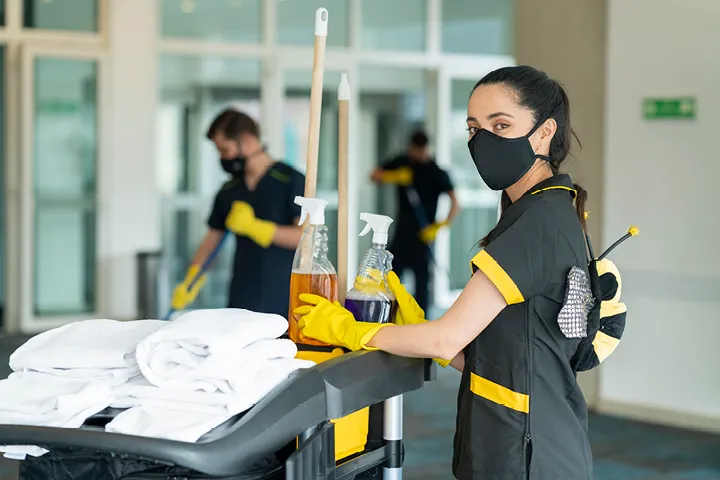
Every office block, hospital corridor and shopping centre in Australia relies on people who know how to do one thing exceptionally well: keep the place clean, safe and running smoothly. It’s a workforce most of us walk past every day without a second thought, yet it’s one of the few industries in the country that’s almost impossible to automate out of existence. For anyone looking for a practical, achievable way into steady work, a Certificate III in Cleaning Operations is quietly becoming one of the smartest entry points around.
Unlike many vocational pathways that demand years of study or expensive equipment, this qualification is built for real life. It suits people re-entering the workforce, recent migrants building an Australian work history, or anyone simply tired of unstable, low-paid casual work with no clear progression. The course is short, the skills are immediately transferable, and the demand for qualified cleaning operators shows no sign of slowing down.
The Cleaning Industry Isn’t What You Think It Is
Mention “cleaning” and most people picture someone with a mop and a spray bottle. The reality on the ground is far more technical. Commercial cleaning today involves infection control protocols, chemical handling compliance, specialised equipment for hard floor surfaces, and increasingly strict workplace health and safety standards, particularly in healthcare and food service environments.
This shift matters because it’s changed who gets hired. Employers running contracts for hospitals, schools, aged care facilities and corporate buildings are under pressure to prove their staff are properly trained — not just experienced. A formal qualification demonstrates that someone understands correct chemical dilution ratios, knows how to safely operate industrial equipment, and can follow documented cleaning schedules without supervision. That’s a very different value proposition to “I’ve cleaned houses for a few years,” and it’s reflected in pay rates, contract stability and promotion opportunities.
What a Cleaning Operations Course Actually Covers
A well-structured cleaning operations course goes well beyond basic technique. Typical units cover:
- Safe use and storage of cleaning chemicals, including reading safety data sheets
- Operating and maintaining cleaning equipment, from carpet extractors to floor buffers
- Infection control procedures relevant to healthcare and aged care settings
- Waste management and sustainable cleaning practices
- Workplace health and safety requirements specific to cleaning environments
- Time management and working to cleaning schedules across multiple sites
What makes this particularly valuable is the breadth. Someone who completes their training properly can walk into an office cleaning role, a hospital support position, or a specialised floor care contract with confidence, because the underlying skills transfer across all of them. That flexibility is rare in entry-level qualifications.
Why This Pathway Suits So Many Different People
One of the most underrated aspects of this qualification is how genuinely accessible it is. There’s no requirement for prior formal education, no need for years of unpaid experience, and study can typically be structured around existing work or family commitments. This makes it a realistic option for:
- People changing careers after redundancy or industry decline
- New arrivals to Australia building local work experience and references
- Parents returning to work after time away from the workforce
- School leavers who want practical, hands-on training rather than a classroom-heavy pathway
- Existing cleaning staff who want formal recognition of skills they already use daily
For a lot of these groups, the barrier to entering a new field isn’t ability — it’s opportunity and recognition. A nationally recognised qualification solves both problems in one step.
The Job Security Argument Is Hard to Ignore
Australia’s population continues to grow, and with it, the number of commercial buildings, medical facilities, aged care homes and public spaces that require ongoing cleaning contracts. This isn’t a seasonal or trend-driven industry — it’s essential infrastructure work. Unlike some sectors vulnerable to economic downturns, demand for cleaning and facility support services tends to remain relatively stable, and in some areas, such as healthcare-adjacent cleaning, it continues to grow.
There’s also a clear progression path most people don’t realise exists. Qualified cleaning operators regularly move into team leader roles, site supervisor positions, or specialised technical roles such as biohazard cleaning or floor restoration — all of which come with meaningfully higher pay than entry-level cleaning work. Completing formal training is often the first checkbox employers look for when considering someone for these promotions.
What to Look for in a Cleaning Course Australia Wide
Not all training is created equal, and this matters more than people expect. When comparing options for a cleaning course Australia providers offer, it pays to check for a few specifics before enrolling:
- Nationally recognised training (NRT) status — this ensures the qualification is respected by employers Australia-wide, not just in one region
- Practical, hands-on components — theory alone doesn’t prepare someone for real cleaning environments
- Flexible delivery options — including part-time, online theory components, or block delivery for people juggling work
- Industry-relevant trainers — ideally people who’ve actually worked in commercial or healthcare cleaning, not just educators
A course that ticks these boxes gives graduates a genuine advantage over people who’ve simply picked up skills informally. Employers can see the difference immediately in how confidently new staff handle equipment, chemicals and compliance paperwork from day one.
From Classroom to Career: What Happens After Graduation
Completing a Certificate III in Cleaning Operations opens doors across a surprisingly wide range of settings — commercial offices, retail centres, healthcare facilities, education providers and government buildings all regularly hire staff holding this qualification. Many training providers also maintain relationships with cleaning contractors and facility management companies, which can translate into direct job leads for graduates rather than starting a job search entirely from scratch.
It’s also worth noting how quickly graduates typically start earning once qualified. Because the training is practical and job-ready by design, most people move straight from study into paid work, rather than facing the extended job-hunting period that can follow more theoretical qualifications. For someone needing to re-enter the workforce quickly, this speed matters just as much as the long-term career benefits.
A Practical Step, Not Just a Piece of Paper
It’s easy to underestimate an industry because it operates quietly in the background. But cleaning operations work underpins hospitals, schools, offices and public infrastructure across the country, and the people doing it well — safely, efficiently, and to compliance standard — are genuinely valued by employers who understand what’s at stake if standards slip.
For anyone weighing up their next move, whether that’s a first step into the workforce or a deliberate career change, this qualification offers something increasingly rare: a short, achievable pathway into work that’s both stable and respected. It won’t suit everyone, but for those drawn to practical, hands-on roles with real job security, it’s worth serious consideration.